Source: Anhui University of Chinese Medicine – The Image of AHUCM
Anhui University of Chinese Medicine, which originated from the Anhui Provincial Traditional Chinese Medicine Training Class, founded in 1952. In 1959, the People's Government of Anhui Province approved the establishment of Anhui College of Traditional Chinese Medicine. In 2011, the Anhui Academy of Chinese Medicine Sciences was founded. In 2013, the Ministry of Education approved the renaming of Anhui Academy of Traditional Chinese Medicine to Anhui University of Chinese Medicine. In 2014, the university was designated as a “High-Level University with Local Characteristics” in Anhui Province. In 2023, it was listed as a key university in Anhui Province’s “Double First-Class initiative’’. The university serves as a National Clinical Research Base for Traditional Chinese Medicine, a National Base for International Cooperation in Traditional Chinese Medicine, a doctoral degree-conferring institution, and an institution eligible to recommend outstanding undergraduates for master's programs without the entrance examination.
The university operates four campuses, namely Shaoquan Lake, Meishan Road, Shihe Road, and Liu'an Road. It consists of 13 schools (including 3 directly affiliated hospitals) and offers 32 bachelor's degree programs. It has a total of 22,049 full‑time students, of which 18,177 are undergraduates, 331 are doctoral candidates, and 3,541 are master's students. There are 5041 teaching and medical staff, including 1348 personnel with senior or associate senior professional titles.
Its distinguished faculty includes 1 recipient of the National Outstanding Youth Science Fund, 1 Young Top-notch Talent, 2 National Masters of Traditional Chinese Medicine, 4 Famous National Chinese Medicine Practitioners, 1 national "Huang Danian-style Teacher Team" demonstration construction team, 2 National Teaching Masters, 2 Teaching Masters of National Chinese Medicine Colleges, 2 Qihuang Scholars, 6 Young Qihuang Scholars, 1 National Medical Master, 4 National Veteran Pharmacist Inheritance Studios, and 26 experts receiving the Special Government Allowance of the State Council.
In addition, the university has 3 Young Wanjiang Scholars, 17 Jianghuai Talents, 1 leading talent of the "Jianghuai Cultural Masters" program, 7 recipients of the Provincial Outstanding Youth Science Fund, 6 recipients of the Provincial Excellent Youth Science Fund, 56 advisors for the National Famous Old TCM Academic Experience Inheritance Program, 25 Provincial Academic and Technology Leaders, 13 reserve candidates for Provincial Academic and Technology Leaders, 9 Anhui Province "115" Industrial Innovation Teams, and 3 Provincial Leading Talent Teams.
The university currently has 6 national first-class undergraduate program construction sites and 21 national first-class courses. It offers 3 doctoral degree authorization points in first-level disciplines and 1 in professional degree categories, 8 master's degree authorization points in first-level disciplines and 8 in professional degree categories, 29 master's degree authorization points in second-level disciplines, and 3 post-doctoral research stations. The university has been selected as a characteristic cultivation institution for Anhui Province's industries. It has 2 disciplines ranked in the top 1% of the Essential Science Indicators (ESI) global ranking, 1 Type I and 1 Type II peak discipline of Anhui Province, 4 peak cultivation disciplines of Anhui Province, 2 characteristic disciplines of Anhui Province, 1 characteristic cultivation discipline, and 13 key disciplines. In addition, it boasts 6 high-level key disciplines and 17 key disciplines of Traditional Chinese Medicine recognized by the National Administration of Traditional Chinese Medicine (NATCM). The university has 1 characteristic specialty (group) of Anhui Province and 2 modern industrial colleges of Anhui Province. It also hosts 1 National Regional Medical Center for Traditional Chinese Medicine, 3 National Regional TCM (Specialty) Diagnosis and Treatment Centers, 9 National Key Clinical Specialties, 23 Key Specialties of TCM recognized by NATCM, and 19 National Advantageous TCM Specialties.
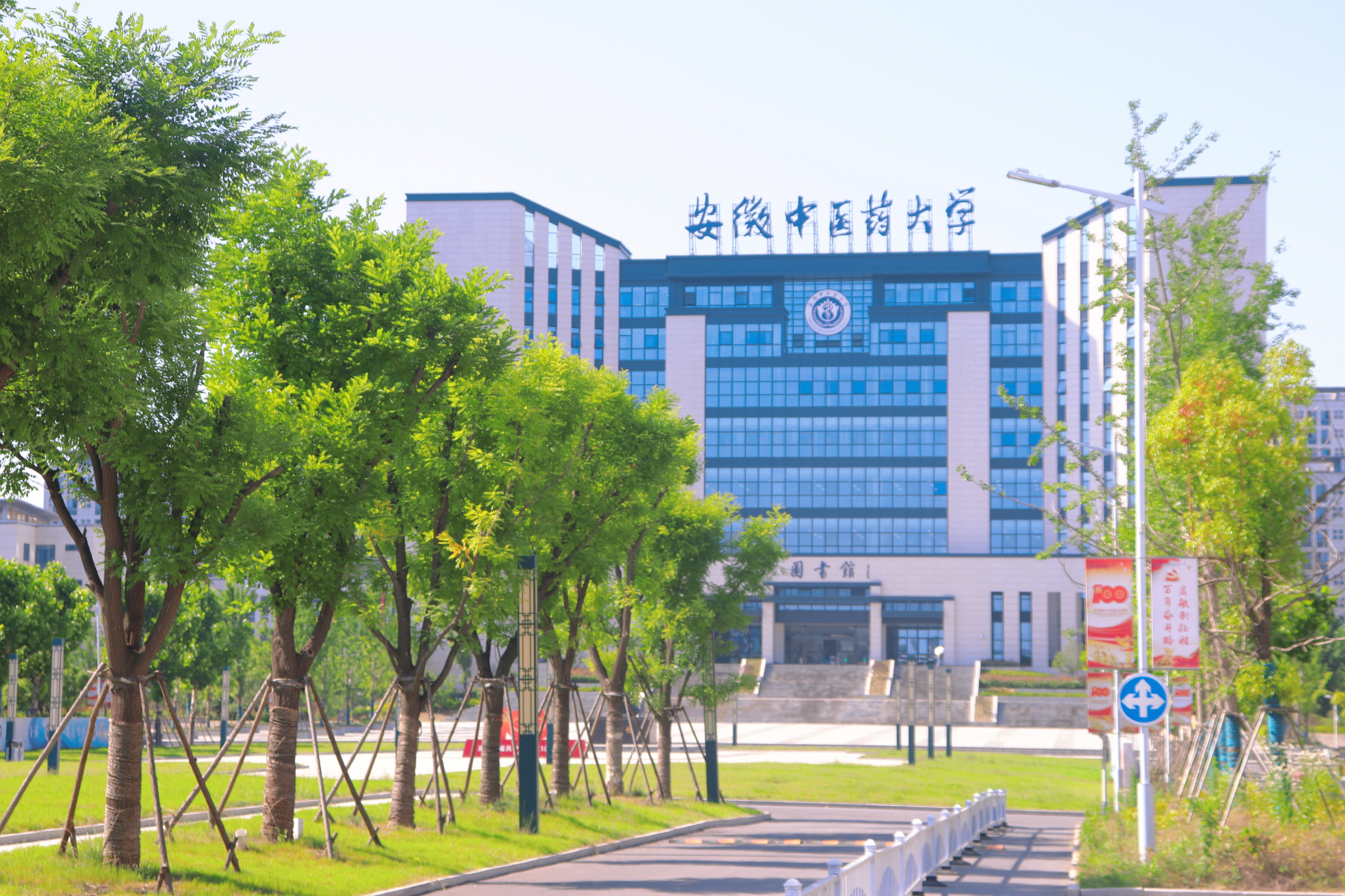
The university places talent cultivation as its top priority. It currently has 2 national-level teaching teams and 55 provincial-level teaching teams (including 10 provincial outstanding postgraduate supervisor teams), 2 national experimental teaching demonstration centers, 1 national clinical teaching and training demonstration center for Traditional Chinese Medicine, 1 national comprehensive professional reform pilot project, and 2 national outstanding doctor (TCM) education and training programs. The university has won 1 first prize and 3 second prizes in national teaching achievement awards, as well as 9 special prizes and 27 first prizes in provincial teaching achievement awards. In national-level Class A competitions, the university has received 15 first prizes. It has also been honored with the National May 4th Red Flag Youth League Committee, National Red Cross Model Unit, National "Colorful Vacation" Volunteer Service Demonstration Unit, and nominations for the National College Student of the Year award. Over the past five years, the university has maintained an average final employment rate of approximately 94%.
The university vigorously advances the strategy of strengthening itself through science and technology. Over the past five years, it has undertaken more than 2,000 scientific research projects at various levels and of various types, including nearly 200 national-level projects. It has won 69 science and technology awards at or above the provincial and ministerial level, of which 12 are first-prize awards. The university has established 28 innovation platforms for science and technology at or above the provincial and ministerial level, and has built 62 industry-university-research cooperation bases with leading enterprises. It has also been honored with titles such as "National Advanced Collective for Science and Technology Commissioner Work," "Advanced Collective in TCM Science and Technology Management," and the "Special Contribution Award for Promoting the Academic Development of Traditional Chinese Medicine."
The university places great emphasis on enhancing its medical service capabilities. It currently has 3 directly affiliated hospitals, 11 non-directly affiliated hospitals, and the Guoyitang Outpatient Clinic. The First Affiliated Hospital is the largest Grade III Level A comprehensive TCM hospital in the province; the Second Affiliated Hospital is the first and largest Grade III Level A specialized acupuncture hospital in China. In 2023, the university was approved to establish Anhui Province's first National Regional Medical Center for Traditional Chinese Medicine – the Anhui Hospital of Shuguang Hospital Affiliated to Shanghai University of Traditional Chinese Medicine.
The university actively responds to the national "Belt and Road" Initiative and has established friendly cooperative relationships with over 40 medical and educational institutions from more than 20 countries and regions. It currently has 4 overseas Traditional Chinese Medicine centers, 1 overseas acupuncture and tuina training base, 1 overseas undergraduate internship base, and 1 joint laboratory for traditional medicine quality standards. Students from more than 20 countries and regions come to the university to pursue postdoctoral, doctoral, master's, and bachelor's degrees, as well as to participate in short-term and mid-term training programs.
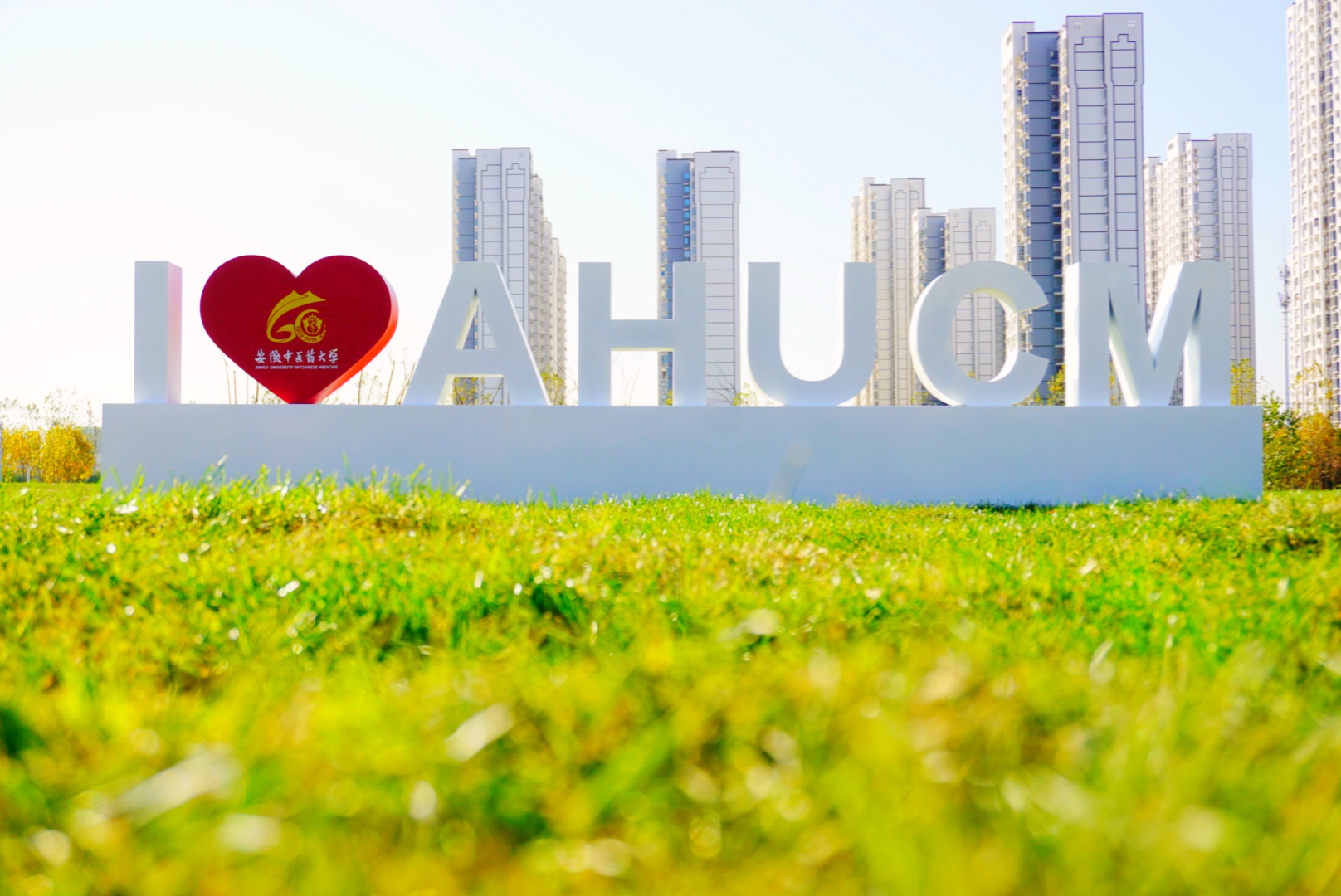
Currently, the university is firmly focused on the goal of building "Double First-Class" institutions. With Traditional Chinese Medicine (TCM) as the main academic pillar, it coordinates and promotes the synergistic development of TCM alongside disciplines such as sciences, engineering, management, economics, and literature. It is dedicated to establishing a comprehensive and well-rounded disciplinary and specialty system featuring cross disciplinary integration, mutual reinforcement, coordinated development, and distinctive characteristics. The university strives to become a first-class TCM university with "outstanding strengths, distinctive features, and remarkable contributions," and to make even greater contributions to building a strong education nation, a Healthy China, and to writing the Anhui chapter of the Chinese path to modernization.
(All statistics above are updated to February 1, 2026.)
Address:
Shaoquan Lake Campus: 350 Longzihu Road, Hefei, Anhui 230012
Meishan Road Campus: 103 Meishan Road, Hefei, Anhui 230038
Shihe Road Campus: 45 Shihe Road, Hefei, Anhui 230031
Liu'an Road Campus: 300 Shouchun Road, Hefei, Anhui 230061
Source:
Anhui University of Chinese Medicine – School Profile 学校简介-安徽中医药大学

