Chinese Science and Technology University International Students' Winter Camp
Explores TCM Culture at Our University
On December 26, a group of over 20 international students from the Chinese Science and Technology University Winter Camp visited our university to participate in an immersive experience of traditional Chinese medicine (TCM) culture. Through on-site visits, interactive activities, and expert presentations, the foreign students gained a firsthand understanding of the unique charm and cultural heritage of TCM.
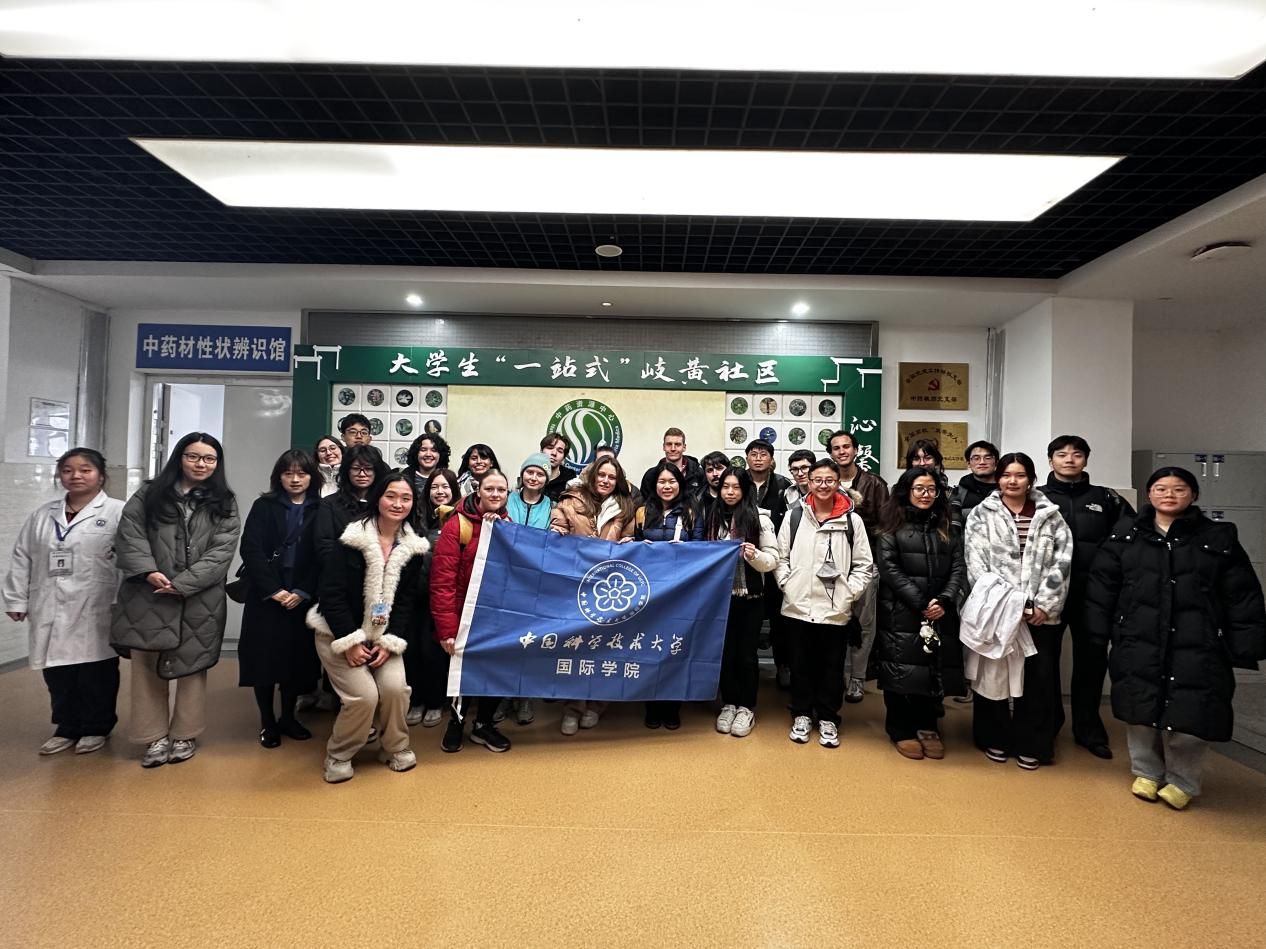
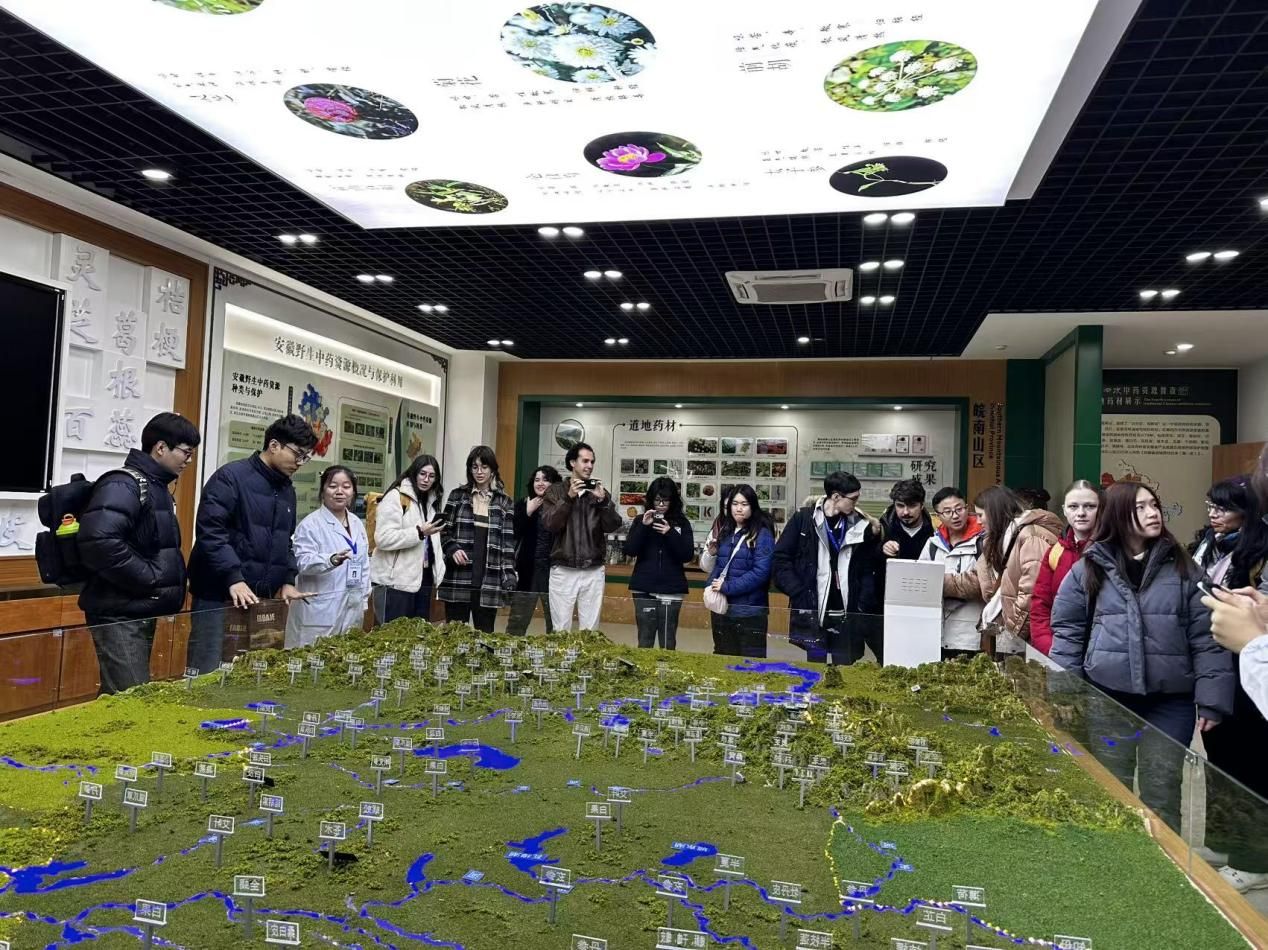
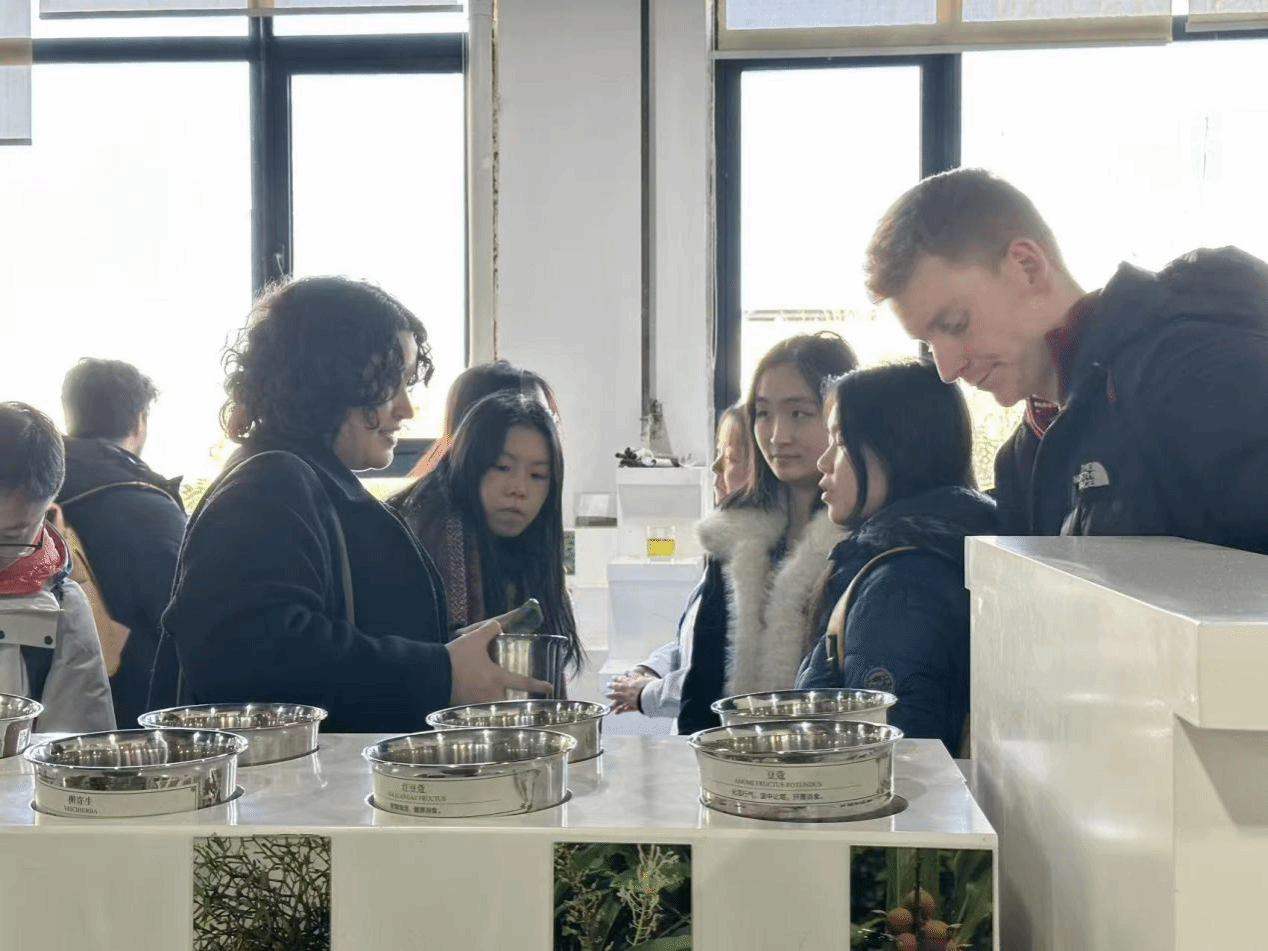
At the Traditional Chinese Medicine Resources Centre of the School of Pharmacy, the international students were captivated by the extensive collection of TCM specimens and prepared herbal slices. The guides provided vivid introductions to the characteristics, therapeutic effects, and clinical applications of common medicinal materials. The students eagerly observed the colour and texture of the slices up close, touched the herbal sections with their hands, and sniffed their distinctive aromas. Upon learning that the university organises annual expeditions into various regions of Anhui to collect locally sourced, authentic medicinal herbs, the foreign students actively engaged in discussions with our students on topics such as the "harvesting process of medicinal materials" and their "applications in daily health care".
In the Huatuo Wellness Hall of the School of Acupuncture-Moxibustion and Tuina, the international students experienced firsthand TCM therapies including cupping, massage, and acupuncture. They were amazed by the intriguing sensation of the suction force during cupping, impressed by the precision and pressure of the massage techniques, and showed great interest in the subtle stimulation of acupuncture. Excitedly, they remarked: "TCM therapies are both mysterious and scientific. This experience has completely changed my perception of traditional medicine."
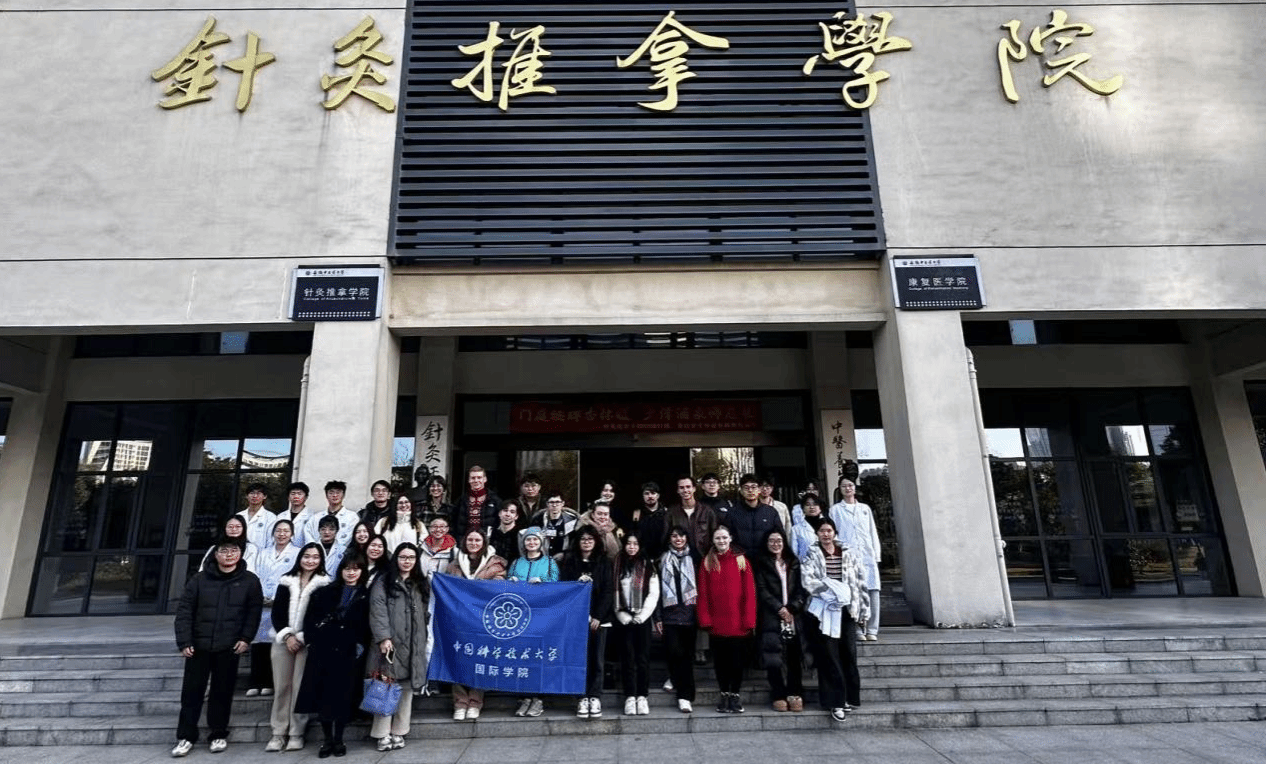
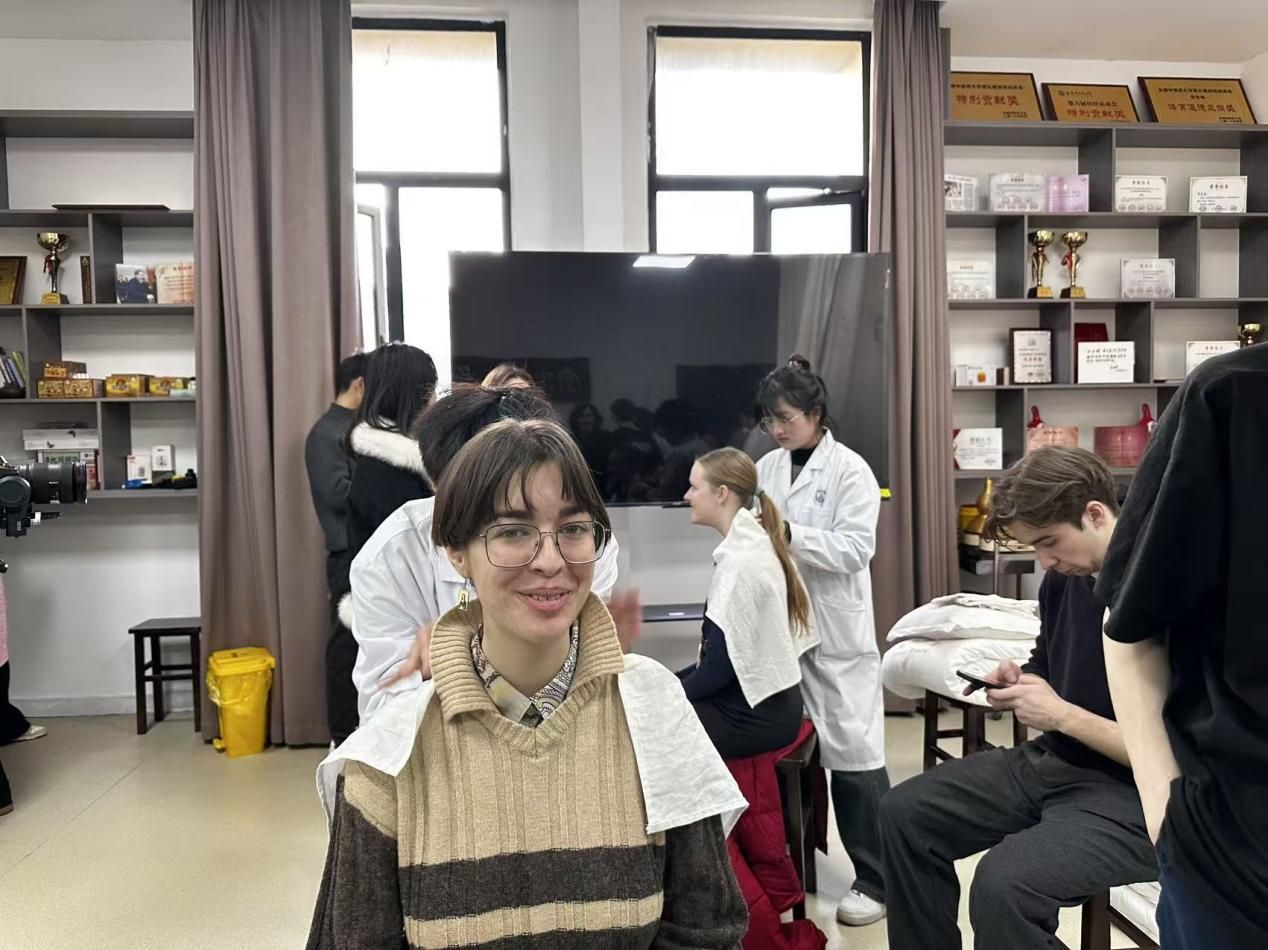
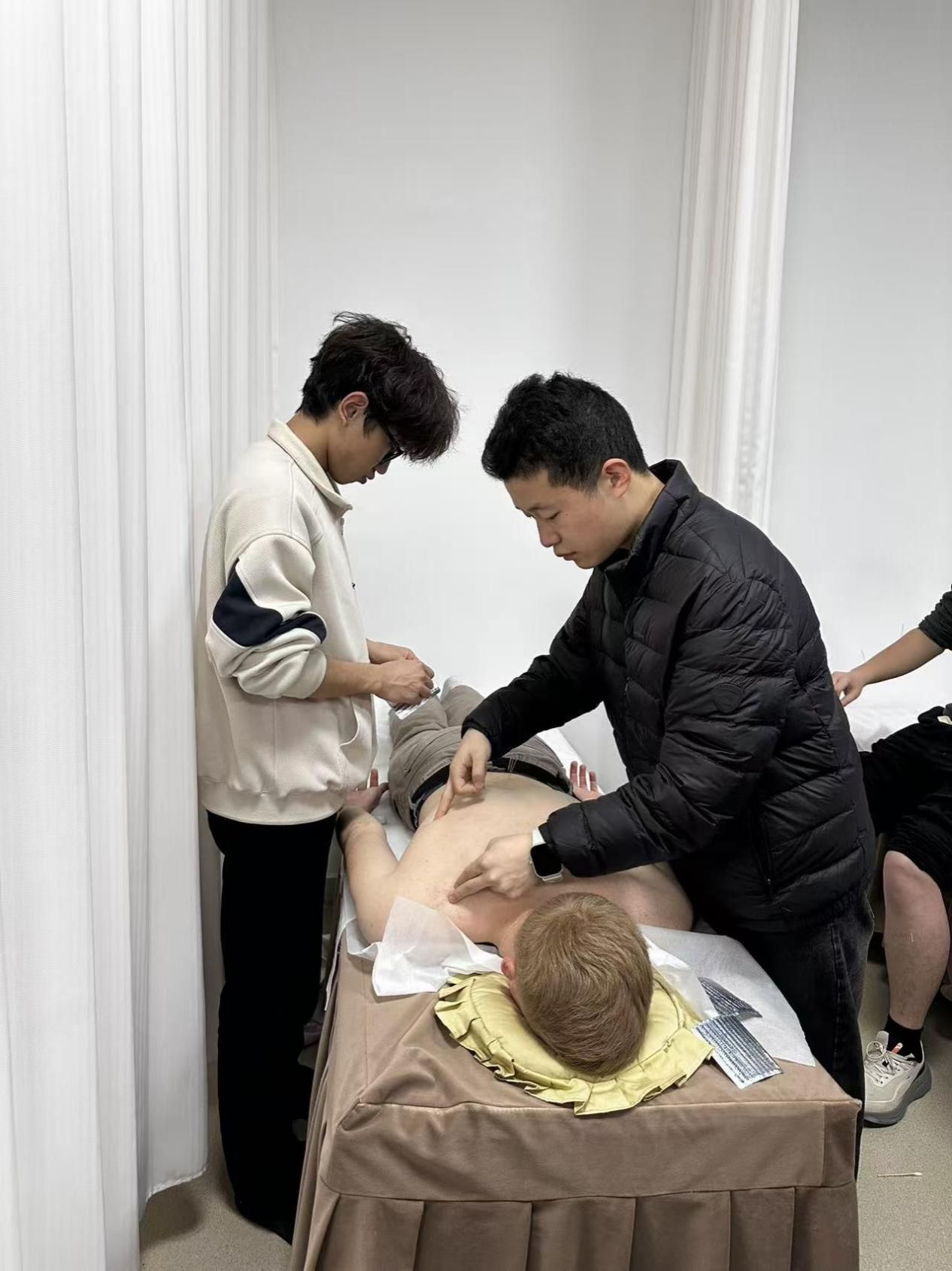
This TCM cultural experience activity ingeniously combined "knowledge dissemination with immersive practice", opening a window for the visiting international students to understand this invaluable aspect of Chinese heritage. The leading teacher from USTC noted that such effective cultural exchange activities not only significantly enhance international students' understanding and appreciation of the profound and extensive traditional Chinese medical culture, but also build a solid bridge of friendship to promote TCM globally and improve international health and well-being.
(Text by Hao Wenjie; Photos by Zhu Yuhan; Reviewed by Ye Lanlan)

